Article · 2 min read
Traditional shoot or AI production? How to choose for your next project
“Should I shoot my ad the traditional way or make it with AI?” We hear this question a lot, and there isn’t one answer for every project. Each approach has its strengths, and the right choice starts with the nature of your project, not with what’s trending.
What actually changes?
| Traditional shoot | AI production | |
|---|---|---|
| Crew and gear | A camera crew, lighting and equipment | No crew and no gear |
| Locations | Permits, travel and shoot days | Any place can be built: desert, city, ancient temple |
| Fantasy scenes | Expensive, with heavy VFX | One of its biggest strengths |
| Time | Tied to the shoot schedule and weather | A first cut in days |
| The real product and its details | Exactly as it is in front of the camera | Needs references, care and VFX |
| Specific real people | Appear in person under a clear contract | Requires their explicit consent |
| Cost | Rises with crew, locations and days | A fraction of traditional production |
When is AI the smarter choice?
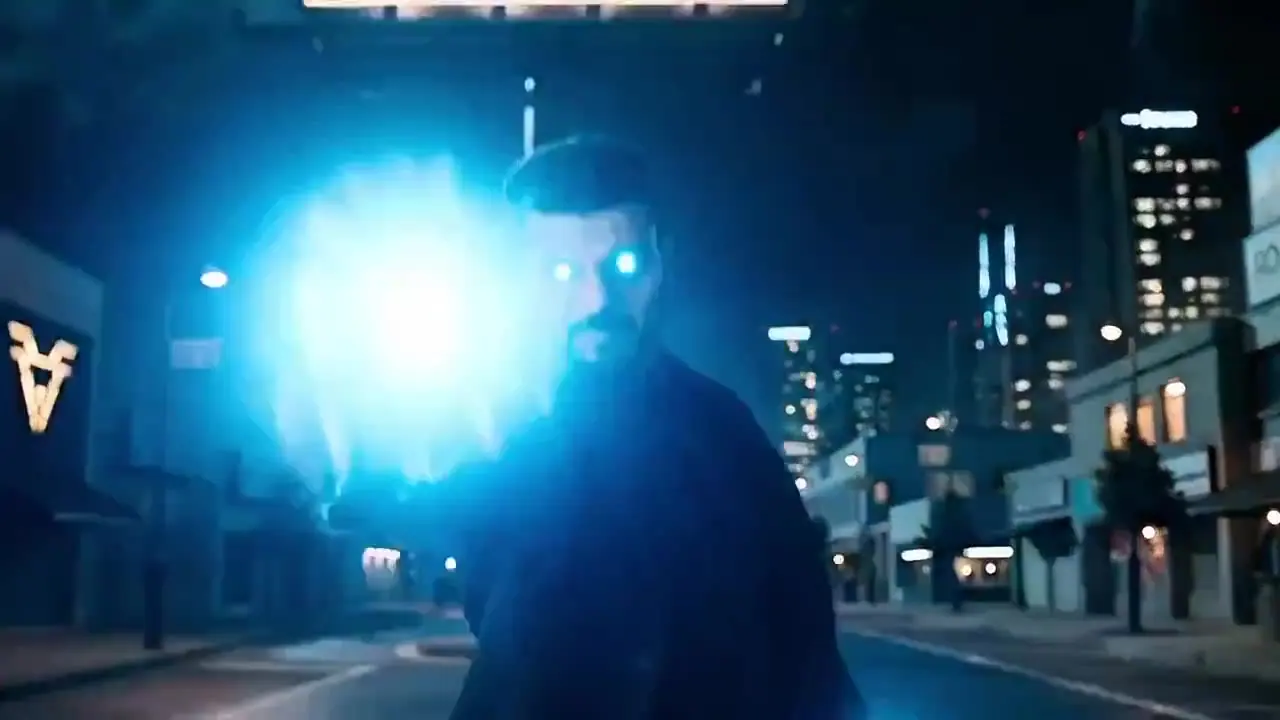
- When you need scenes that are impossible or very expensive to film: battles, fantasy worlds, far-away places. In ZENTOR, for example, night-time showdowns with lightning and energy powers were built with AI and VFX.
- When you need episodic content at a fast pace, like HAJIMETE, a series of 25 short vertical episodes made for phones.
- When the deadline is close and leaves no room for a shoot schedule.
- When you want to try more than one visual direction before committing to one.
When is a traditional shoot still better?
- Real customer testimonials and interviews.
- Coverage of live events and occasions.
- A hands-on product where the fine details are the message.
- A well-known person appearing in the ad themselves.
The middle ground: hybrid production
Many projects benefit from both: a simple shoot for whatever must be real — a product, a person or a place — then AI scenes and VFX for everything expensive or impossible. That way you get the honesty of real footage and the freedom of imagination together.
Five questions before you decide
- Does your project need specific real people?
- Can the scenes you imagine actually be filmed, and at what cost?
- When is the deadline?
- Where will the work be published, and in which format?
- Do you own the rights to everything that will appear: faces, music and trademarks?
Answer these and the choice becomes much clearer. And if you’re still unsure, send us your idea and we’ll suggest the approach that fits it best.
Not sure which way to go?
Send us the details on WhatsApp and we’ll come back with a clear quote within 24 hours.
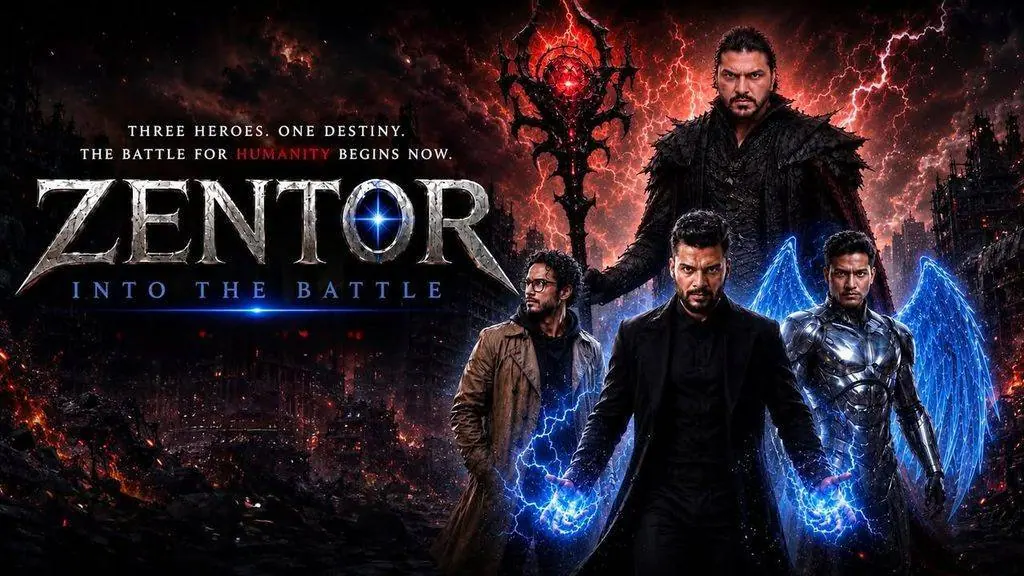 ZENTOR
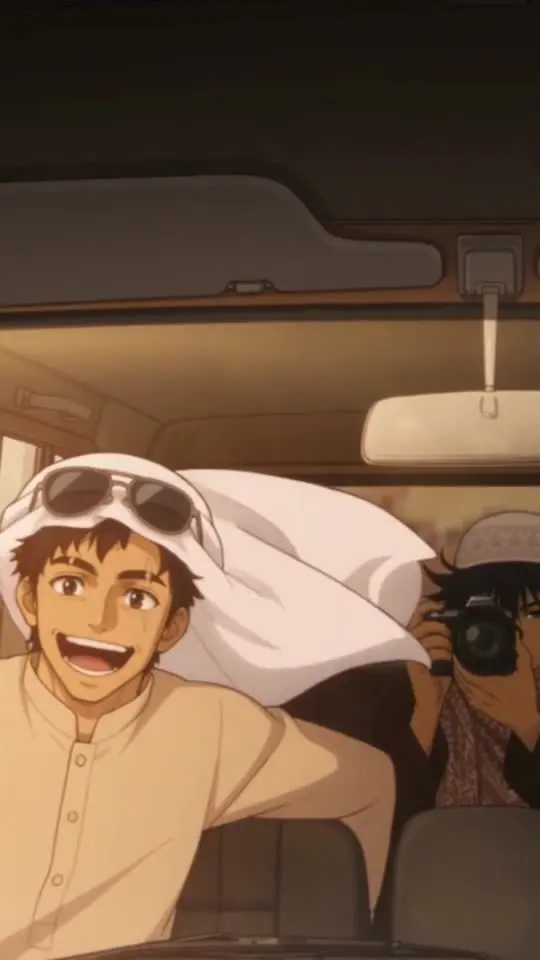 HAJIMETE
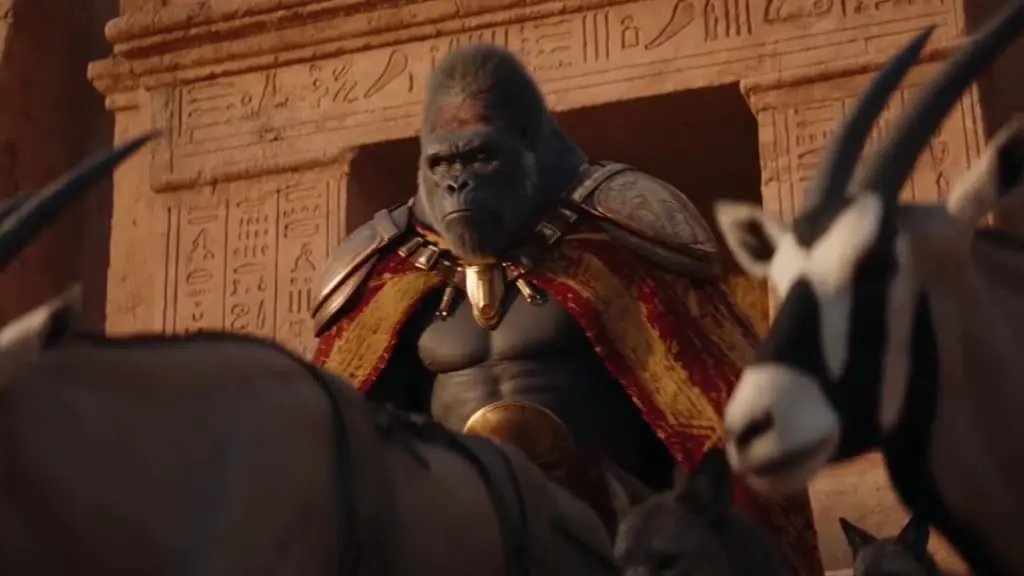 THE LAST WELL